An image can reveal a condition, but not the whole operation
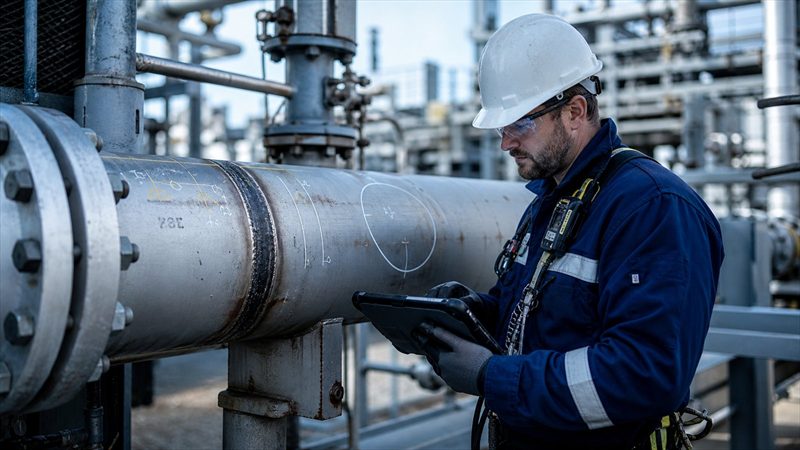
Cameras can document surfaces, identify objects, read markings, track movement, and detect visible indications. In industrial environments, that makes computer vision a powerful source of data.
Yet a detected feature does not automatically explain an asset’s condition or determine the correct action. A visual indication may need to be considered alongside material, geometry, operating history, loading, inspection records, environmental exposure, and the confidence of the detection.
Computer vision is therefore most useful when treated as one sensor in a broader industrial decision system.
Turn pixels into qualified evidence
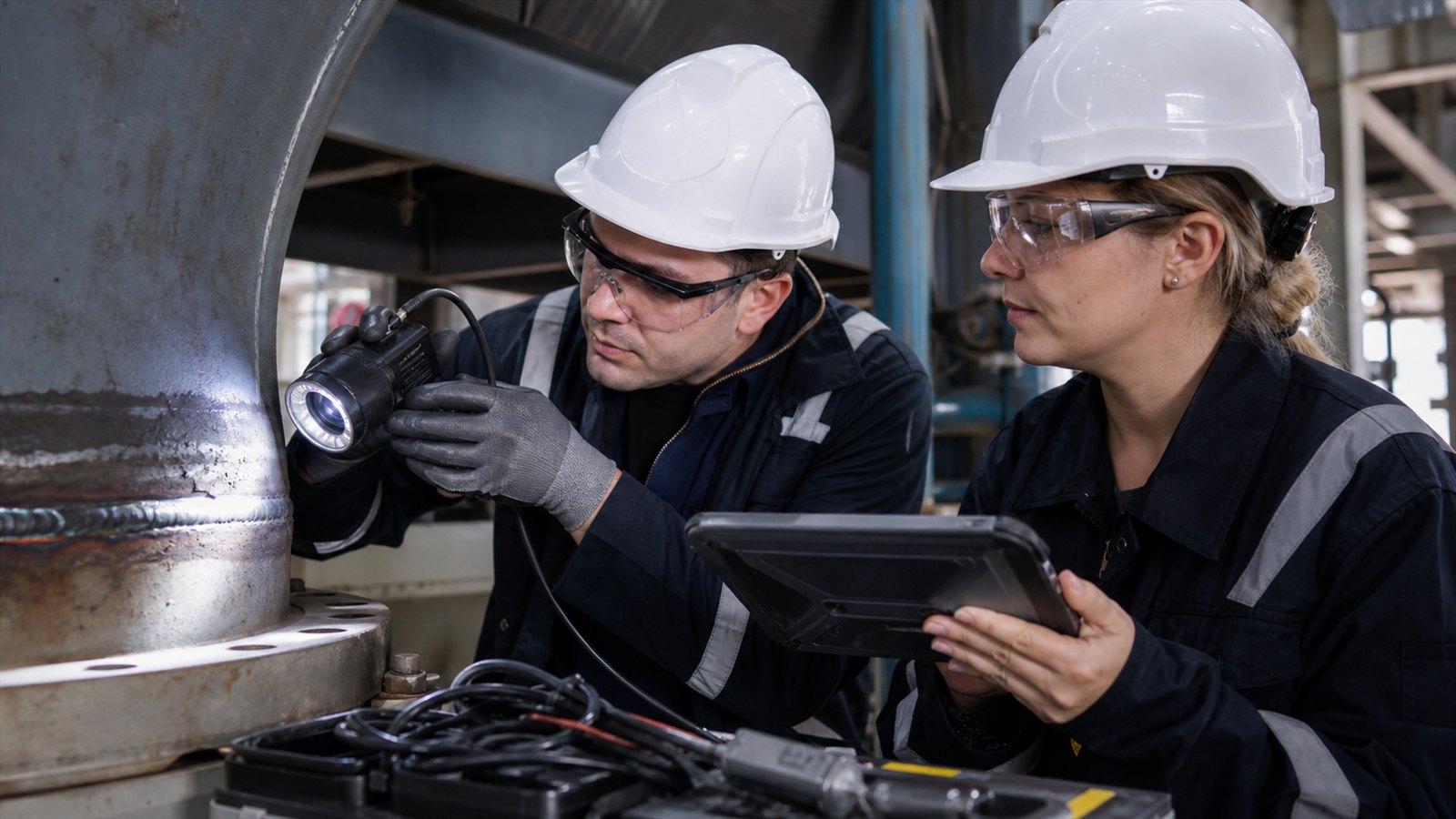
An industrial vision workflow begins before the AI model. Camera position, lens selection, lighting, working distance, motion, cleanliness, image resolution, and calibration all affect what the system can observe.
The application must also define the decision it supports. Is the objective to locate an asset, read an identifier, detect a surface feature, compare condition over time, or help an inspector prioritize review?
BiaTech designs vision inputs around that intended outcome. The system can retain the source image, identify the relevant region, communicate detection confidence, and route uncertain cases for human review. This creates more useful evidence than an isolated classification.
Combine vision with the physical context
Within the BiaSense Platform, image-derived information can be combined with other approved data sources. An observed pipe feature, for example, may be associated with asset identity, inspection history, dimensions, operating exposure, and applicable engineering models.
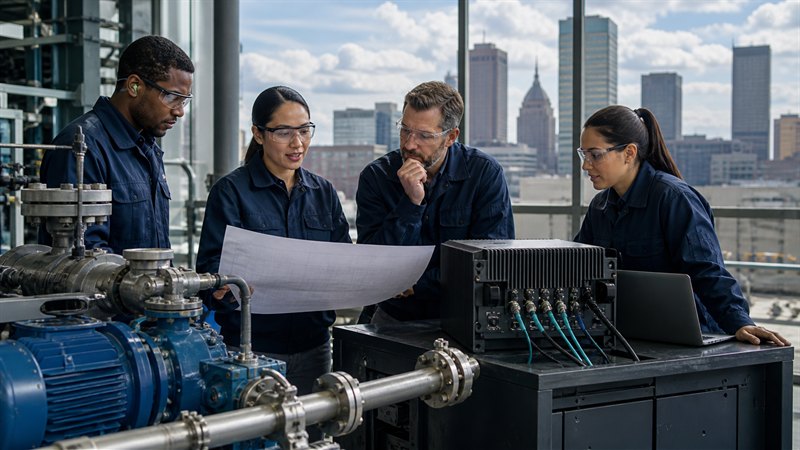
In a facility, a visual event may be considered alongside equipment state, PLC tags, production timing, or maintenance records. The combined context helps determine whether the observation is ordinary, requires monitoring, or deserves prompt expert attention.
This is where computer vision becomes part of Physics AI: the image is interpreted in relation to the asset and the operation, not as a detached collection of pixels.
Keep the inspector and operator in control
Vision models can be affected by lighting changes, occlusion, unfamiliar equipment, contamination, and conditions not represented during validation. A responsible workflow makes these limits visible.
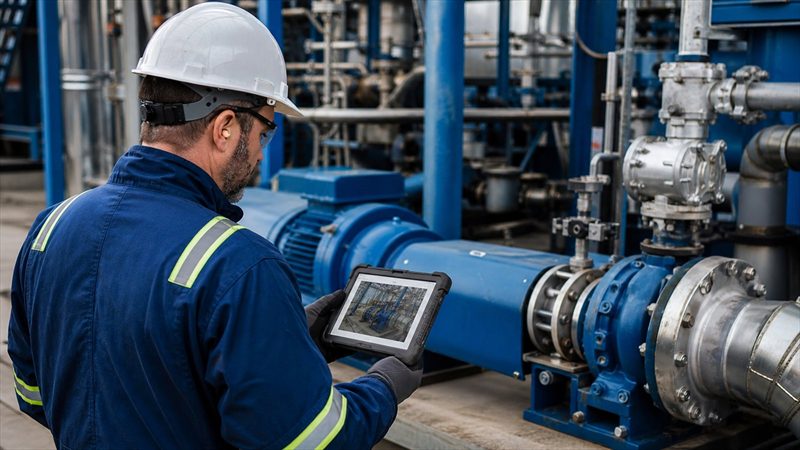
BiaSense can flag low-confidence results, preserve an audit trail, and allow an inspector or operator to confirm, reject, or annotate the observation. The system supports the expert’s work rather than claiming to eliminate the need for qualified inspection or engineering judgment.
For higher-consequence decisions, image evidence should be considered with the applicable inspection procedures, standards, and other required methods.
Design for a repeatable decision workflow
The scalable product is not a custom vision demonstration for every customer. It is a repeatable workflow that connects qualified image capture, asset context, model output, human review, and the next approved action.
A focused pilot should establish the imaging conditions, target feature, available supporting data, review process, and measurable operational benefit. Once validated, the workflow can be extended to similar assets or inspection stations.
Computer vision is an important capability, but the customer does not ultimately buy a camera model. The customer needs a clearer, faster path from observable evidence to a defensible industrial decision.