Industrial AI must understand the physical world
Industrial operations are governed by physics. Pressure, temperature, flow, vibration, geometry, material condition, loading, chemistry, and operating limits determine how equipment behaves. Data can reveal patterns, but a pattern alone may not explain why performance is changing or whether a suggested action is physically reasonable.
Physics AI brings engineering knowledge into the way an AI system interprets operating data. Rather than treating every sensor value as an isolated signal, it considers how the signals relate to equipment behavior and process constraints.
That distinction matters when people are making consequential decisions around wells, pipelines, pumps, tanks, factories, and water infrastructure.
Combining models with live operational data
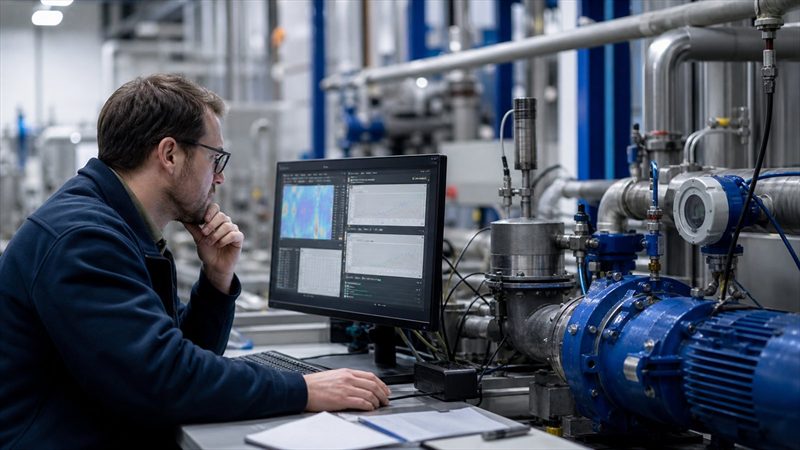
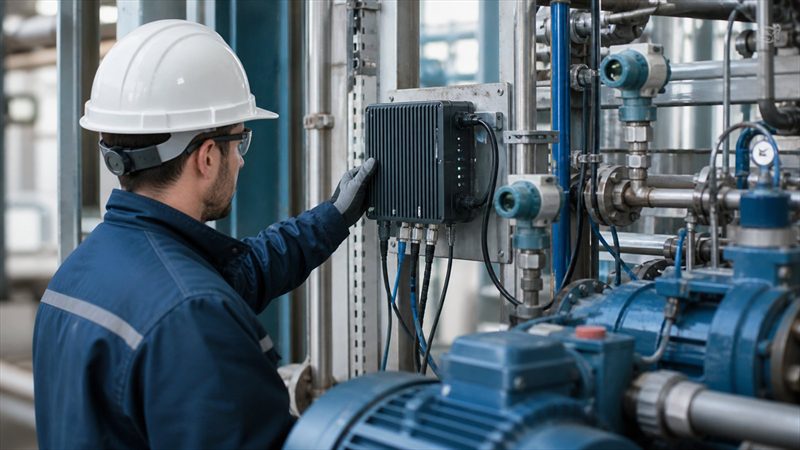
The BiaSense Platform connects to available sensors, control systems, historians, inspection tools, and operational records. It brings those inputs together with engineering physics, digital twins, machine learning, and edge computing.
The objective is not simply to display more data. It is to answer practical questions:
- What is happening now?
- Why is it happening?
- Is the equipment moving toward an undesirable condition?
- What operating options are available?
- What evidence supports the recommendation?
Supporting capabilities within BiaSense help prepare models and process data near the equipment when appropriate. Bia communicates the findings in plain English. The platform is designed to complement existing industrial systems rather than require their replacement.
From prediction to engineering guidance
Conventional analytics may identify that a value is unusual. Physics AI adds operational context. A pressure change, for example, may be considered alongside flow, equipment geometry, fluid behavior, recent operating changes, and known constraints.
That context helps distinguish a meaningful developing condition from ordinary variation. It also enables the system to evaluate possible actions within defined engineering and operating boundaries.
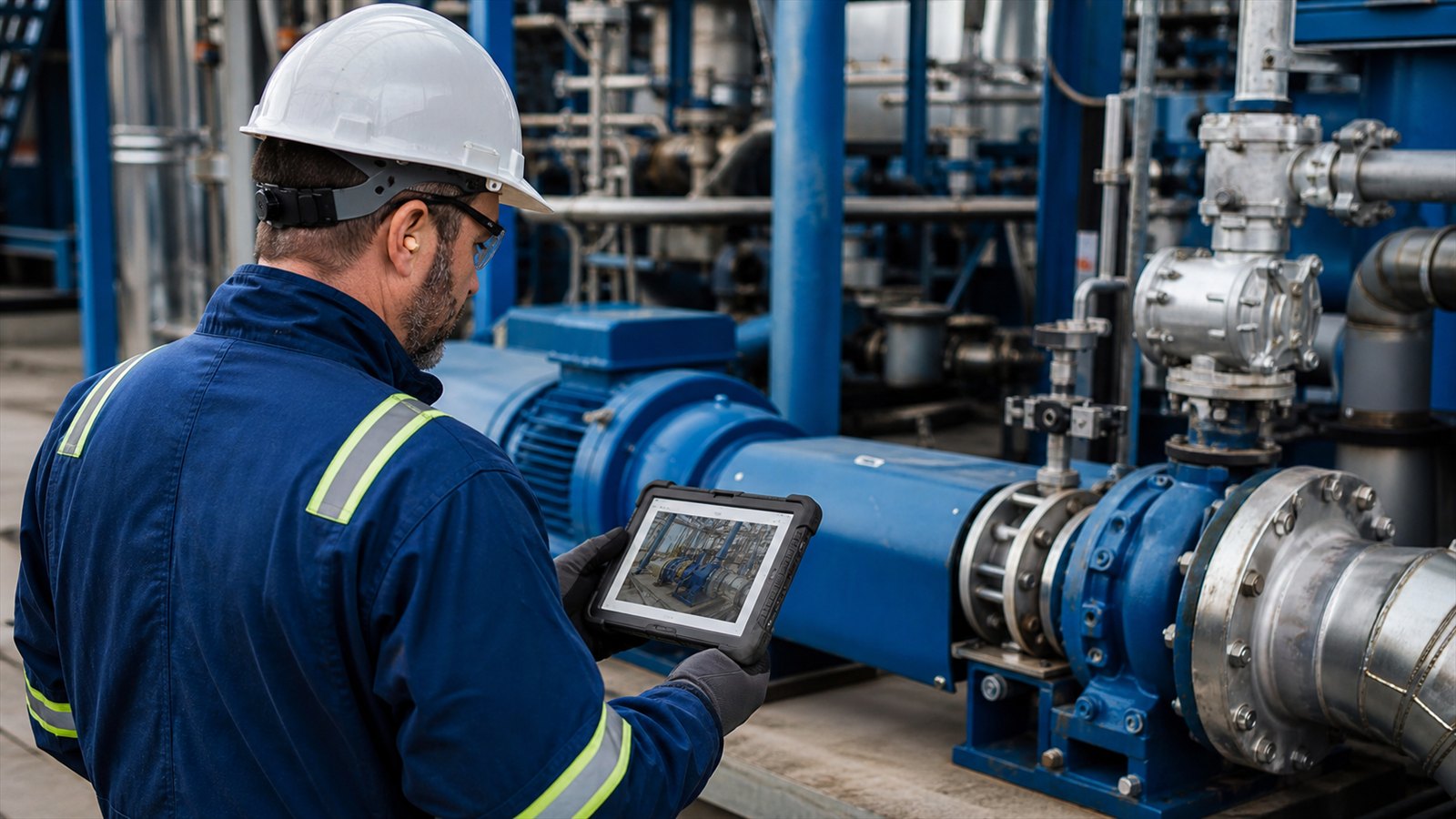
BiaTech’s approach remains human-centered. BiaSense evaluates approved operating data with engineering physics and AI; Bia presents the evidence and guidance to authorized workers. Neither replaces the operator or engineer, and the accountable person makes the final decision.
One platform, focused industrial applications
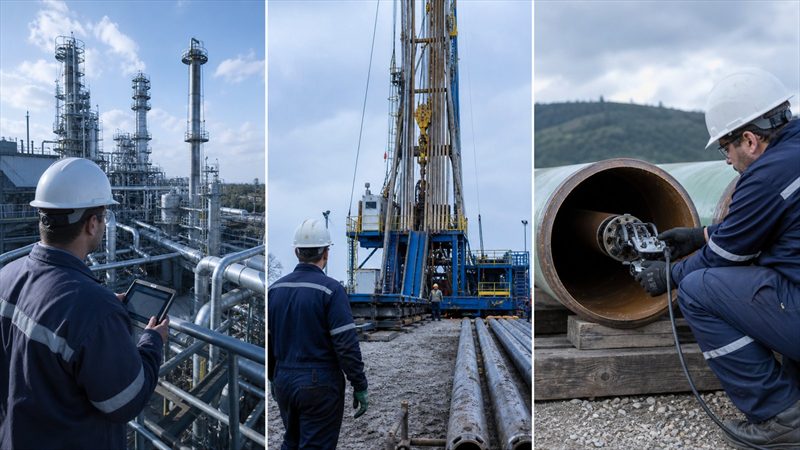
BiaSense supports three focused applications:
- Smart Facilities: Production optimization, operator-productivity, and equipment-reliability guidance for manufacturing, process, and water facilities.
- Drilling Intelligence: Guidance for drilling performance, fluid behavior, drill-string health, and equipment condition.
- Asset Integrity: Condition assessment and inspection prioritization for pipe, tanks, and other critical assets.
The applications address different workflows, but the underlying idea is consistent: observe live operations, reason with engineering physics, and help skilled people act with greater clarity.
Start with one consequential decision
A practical Physics AI deployment begins with a specific workflow, an operational champion, and one measurable outcome. The initial objective may be reducing avoidable downtime, improving inspection prioritization, protecting equipment, or helping operators remain inside a preferred operating envelope.
Proving value in one bounded workflow creates the foundation for expansion across additional assets, sites, or operating teams.