The 2024 foundation for BiaSense
In July 2024, BiaTech reached an important product milestone with its first digital-twin virtualization minimum viable product. That early MVP established the technical foundation that has since developed into BiaSense, BiaTech’s common platform for Physics AI across industrial operations.
A digital twin must do more than visualize
From the outset, the objective was larger than creating a three-dimensional model or another monitoring dashboard. A useful industrial digital twin must connect the physical asset with the information needed to understand its behavior. That can include live sensor streams, control-system tags, historical operating data, inspection findings, equipment geometry, engineering limits, environmental context, and the observations of experienced workers.
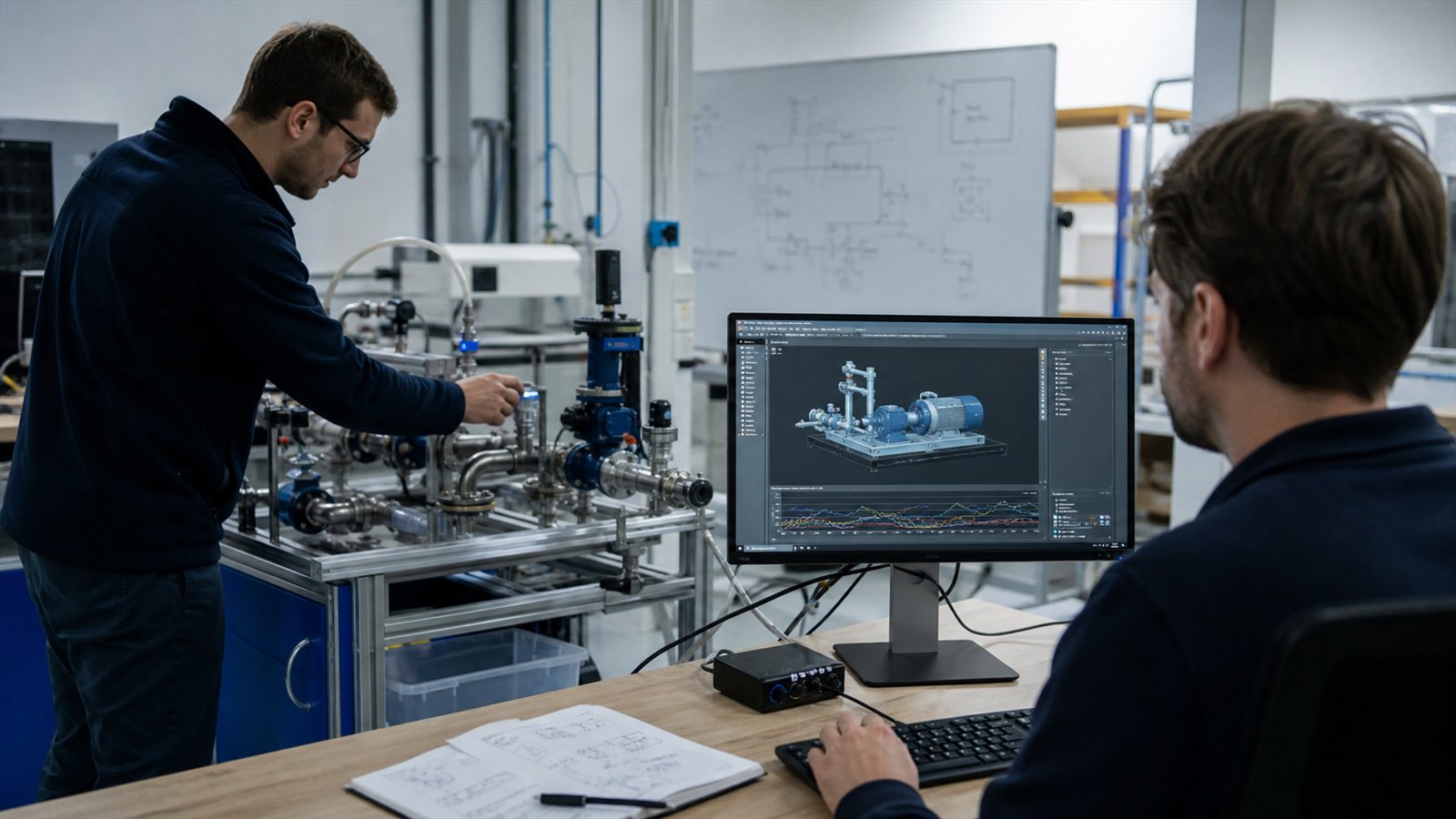
The 2024 MVP brought those elements into a shared software environment where data could be organized around the asset and operating process. It established workflows for visualizing equipment, monitoring conditions, examining historical trends, and testing how models could support a decision. Just as importantly, it helped the team learn what industrial users actually need from a digital twin: less emphasis on visual novelty and more emphasis on reliable, timely guidance.
From MVP lessons to a common platform
Those lessons shaped today’s BiaSense architecture. BiaSense connects with existing sensors, historians, inspection tools, and operational systems rather than requiring clients to replace them. Engineering physics and digital twins provide structure for understanding the equipment. Machine learning helps identify patterns and changing conditions. Physics-informed machine learning can accelerate selected engineering calculations while retaining the constraints that matter. Edge computing can bring the analysis closer to the source of the data when latency, connectivity, cost, or data control make local processing the better option.
The common platform now supports three focused applications: Smart Facilities, Drilling Intelligence, and Asset Integrity. The user experiences and outcomes differ, but the underlying engineering objects are often shared. A pump, pipe section, tank, motor, or fluid system remains governed by physical behavior across sites and industries. Building on one platform allows BiaTech to reuse validated components instead of starting every engagement as a separate software project.
Expand from one workflow on a reusable foundation
The MVP was therefore not the finished product; it was the architectural starting point. The work since July 2024 has focused on turning that foundation into a commercially robust platform that can begin with one workflow and one measurable KPI, then expand across additional assets, users, and sites.