A Phase I geothermal research milestone
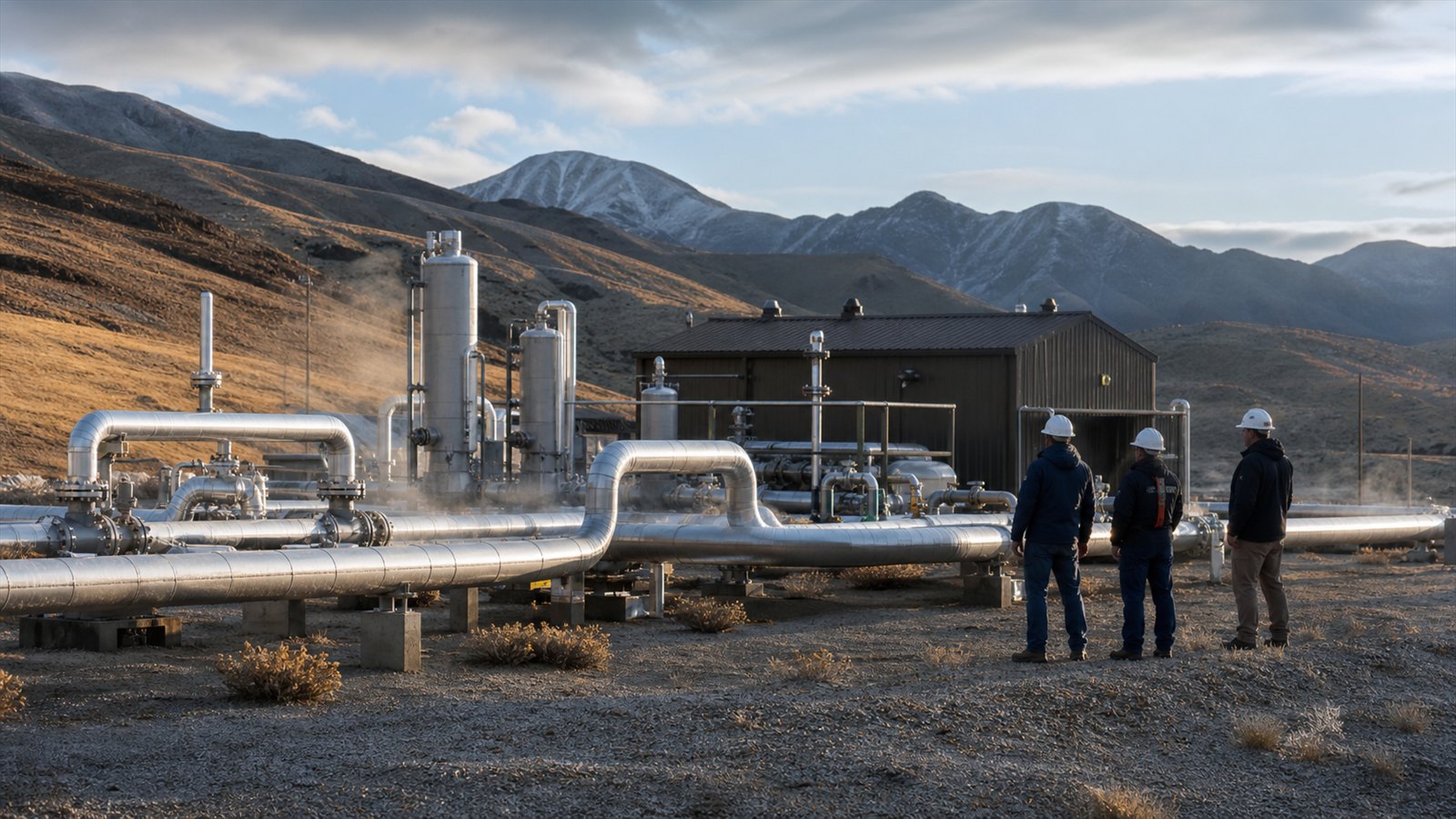
In November 2024, BiaTech completed Phase I research and development under a U.S. Department of Energy-supported project focused on high-temperature geothermal flow monitoring in multiphase systems.
The challenge of multiphase geothermal flow
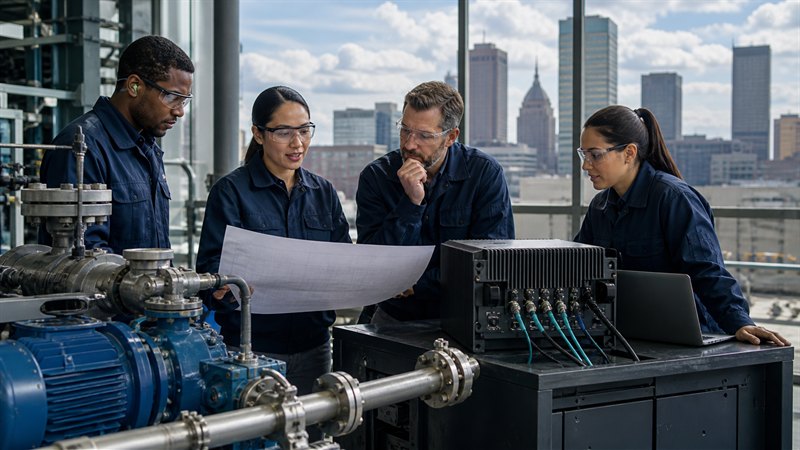
Geothermal operators must understand how mass, energy, and heat move from individual wells through gathering pipelines and into the facility. That task becomes difficult when fluids change phase, conditions vary across a site, measurement points are limited, and equipment must operate in demanding environments. Better information can help engineers understand system performance and determine where additional measurement or intervention may be valuable.
Testing sensing, models, and local computing
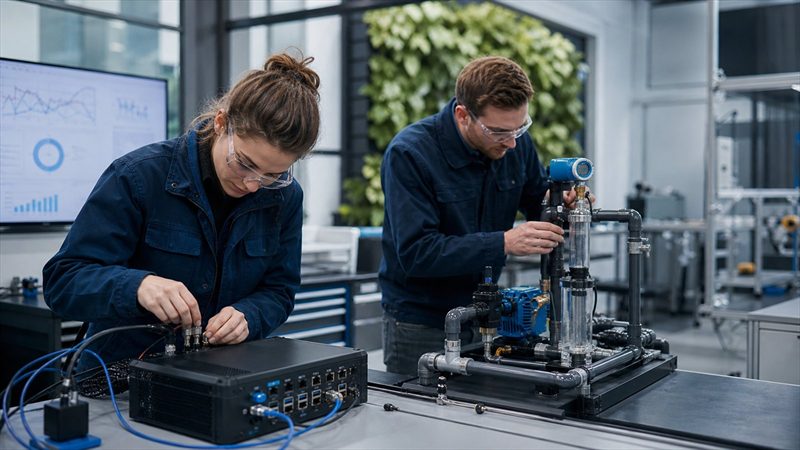
The Phase I work examined how artificial intelligence and machine learning could support estimates of thermodynamic flow characteristics using distributed sensing and existing geothermal data. The research included evaluating how a model behaves as available data inputs change, with the broader aim of understanding what information is necessary to produce useful monitoring results. The program also considered how software models could ultimately be paired with sensing and local computing for field-oriented deployment.
This was a research milestone, not a claim that a finished commercial system had solved every geothermal measurement challenge. Its lasting value to BiaTech was the disciplined integration of sensing, engineering physics, data, and computation around a real industrial system.
Lessons for the broader BiaSense platform
That pattern now informs the broader BiaSense platform. Industrial operations rarely begin with a perfect dataset or a uniform technology stack. A useful solution must work with available sensors and control systems, identify important gaps, respect the governing physics, and place the analysis where it can support the user. In some environments, that means processing at the edge to reduce latency or retain data locally. In others, it means using suitable client-hosted infrastructure or a cloud environment. BiaSense is designed to support those choices rather than bind the customer to one sensor vendor or compute host.
The geothermal research also reinforced why BiaTech focuses on engineering outcomes instead of generic AI. Whether the application involves geothermal flow, drilling hydraulics, a large pump, or a section of industrial pipe, the model must reflect how the physical system behaves. Machine learning becomes more useful when it is grounded in those constraints and delivered to people in an understandable form.
BiaTech is grateful for the U.S. Department of Energy’s support of this early research. The work helped establish capabilities that continue to guide our development of Physics AI for industrial operations.