A human-led inspection technology showcase
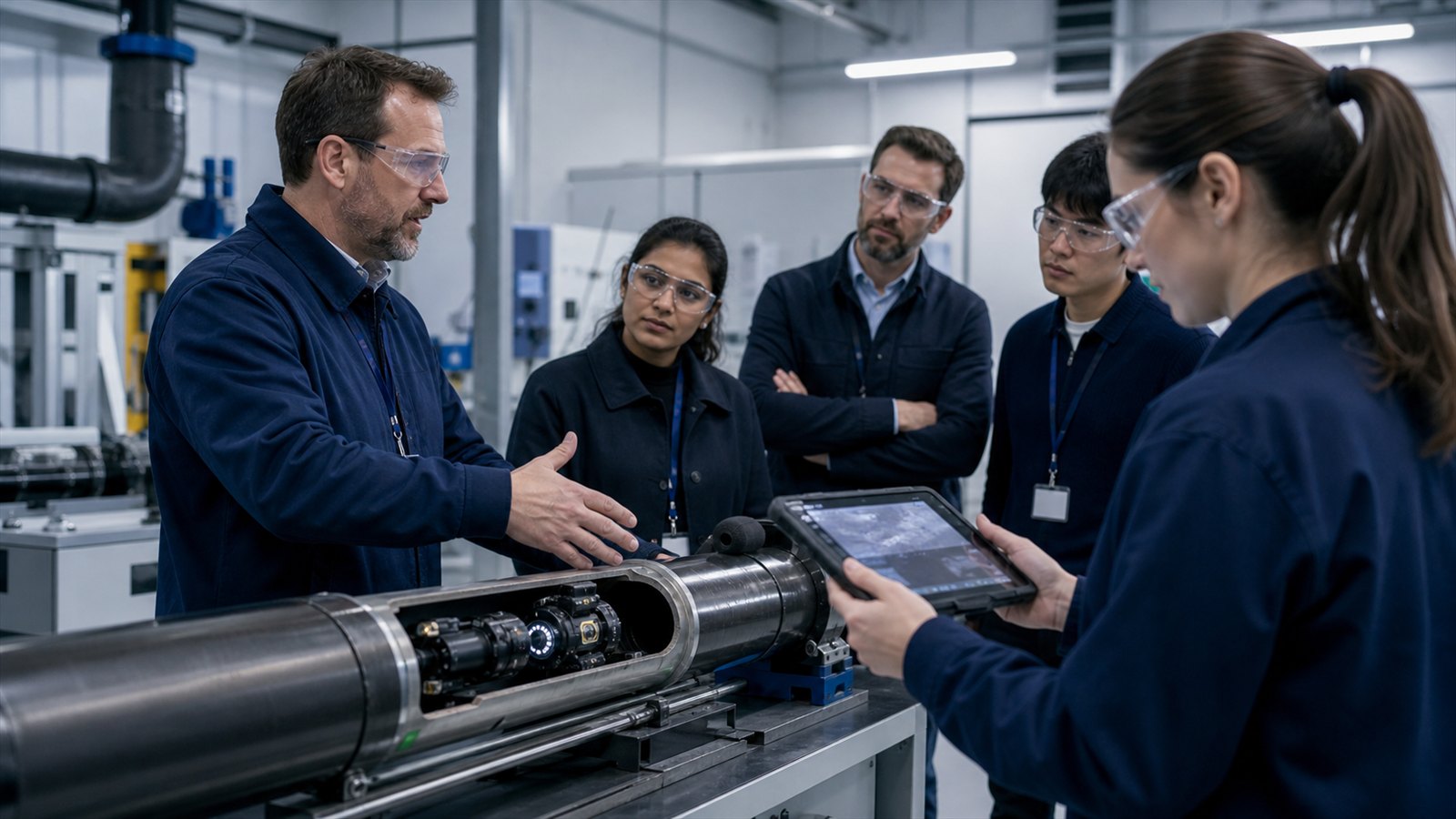
On November 4, 2025, BiaTech showcased its AI-enabled industrial inspection technology at the Greentown Labs Climatetech Summit in Houston. The event brought together startup teams, industrial companies, investors, and members of the energy-innovation community to examine technologies moving from development toward real-world use.
Connect field evidence with engineering context
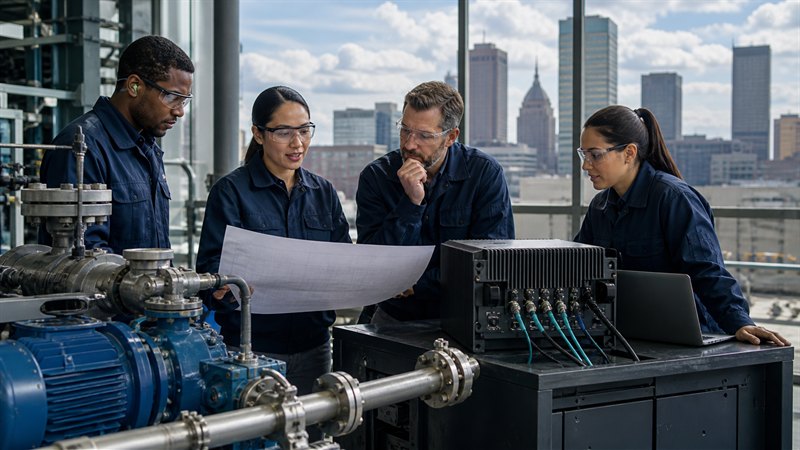
BiaTech’s demonstration focused on a straightforward problem: critical assets generate inspection images, measurements, operating data, and expert observations, but that information is often captured in separate tools and reviewed after the field decision has already been made. Inspectors and asset owners need a more consistent way to connect what is observed in the field with the engineering context of the equipment.
Our approach combines computer vision and inspection data with a digital representation of the asset. When a use case benefits from local processing, edge computing can analyze selected inputs near the point of collection. The resulting information is presented for human review so an inspector, engineer, or asset owner can make the acceptance, repair, monitoring, or continued-service decision.
Keep qualified people accountable
The technology is designed to complement the inspection process, not replace the qualified person responsible for it. Computer vision can help organize evidence and surface potential anomalies. Engineering models can provide context about loading, degradation, or operating history. A plain-English interface can help teams retrieve the relevant information without searching across several disconnected systems. The human remains accountable for the consequential decision.
Flexible architecture for Asset Integrity workflows
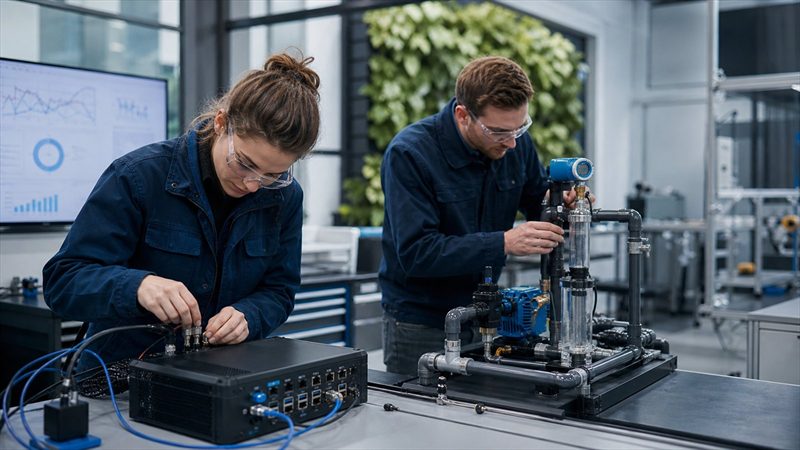
The Summit demonstration also illustrated an important element of BiaTech’s broader architecture. BiaSense is input-flexible and can work with suitable cameras, inspection instruments, sensors, and computing resources already available to a client, subject to interface, data-quality, performance, and security requirements. If local compute is required and not present, BiaTech can provide an edge deployment. This flexibility supports adoption without requiring the asset owner to discard functional inspection tools or operational systems.
The lessons from this work now sit within BiaTech’s Asset Integrity application. The objective is to combine inspection and operating data with physics-based degradation models so teams can better understand equipment condition, prioritize further inspection or maintenance, and make more informed repair or continued-service decisions.
For BiaTech, the Greentown Labs showcase was valuable because it brought the complete workflow into view: observe the asset, organize the evidence, apply engineering context, and help the skilled worker act with greater confidence.