The gap between drilling data and timely guidance
Drilling operations generate an enormous amount of data. Surface pressure, flow rate, torque, hookload, weight on bit, rotation, rate of penetration, fluid properties, well geometry, and equipment status all help describe what is happening. Yet more data does not automatically produce a better drilling decision.
The harder problem is turning those signals into engineering context quickly enough to matter.
A hydraulics or drill-string assessment can be technically sound and still lose operational value if it reflects conditions that have already changed. When guidance arrives after the driller has adjusted the operation, or when a recommendation cannot be connected to the measurements behind it, confidence declines. Over time, the engineering tool becomes another screen that operators consult occasionally rather than something they trust during consequential decisions.
Engineering context close to the operation
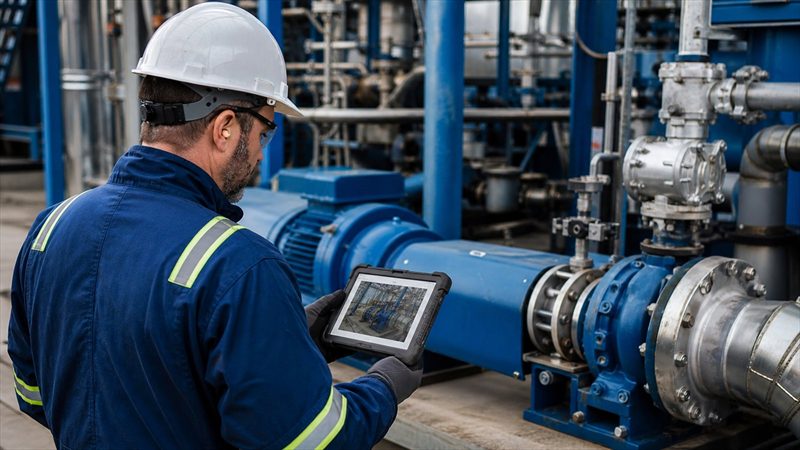
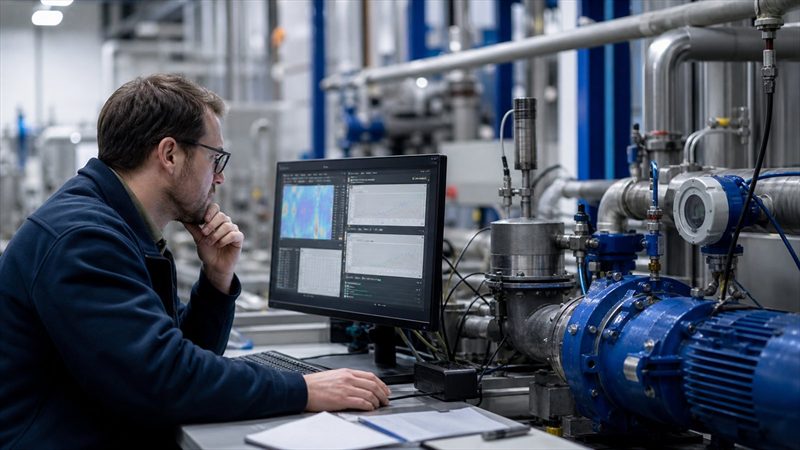
BiaTech’s Drilling Intelligence application is designed around that operational reality. It combines live rig data with engineering physics, digital twins, physics-informed machine learning, and edge computing to evaluate changing well conditions close to where the data is produced. The objective is not to overwhelm the drilling team with more calculations. It is to translate those calculations into timely, explainable guidance.
For hydraulics, that may mean helping a team understand whether changing pressure or flow behavior is consistent with expected conditions, whether hole-cleaning risk may be increasing, or which operating variables deserve attention. For drill-string health, the system can evaluate interacting forces and constraints associated with torque and drag, buckling, fatigue, and operating limits.
These are connected problems. A drilling team should not have to reconcile isolated models, timestamps, and displays while also running the operation. A common platform can align the relevant data and maintain engineering context; Bia can explain why a condition or recommendation has changed.
Flexible edge deployment
Edge deployment can also reduce dependence on a remote cloud connection for time-sensitive engineering analysis. BiaTech can operate on a standardized BiaEdge system or use suitable client-provided sensors and local computing infrastructure. The architecture is intended to complement the rig’s existing data and control environment, not require wholesale replacement.
Human control builds trust
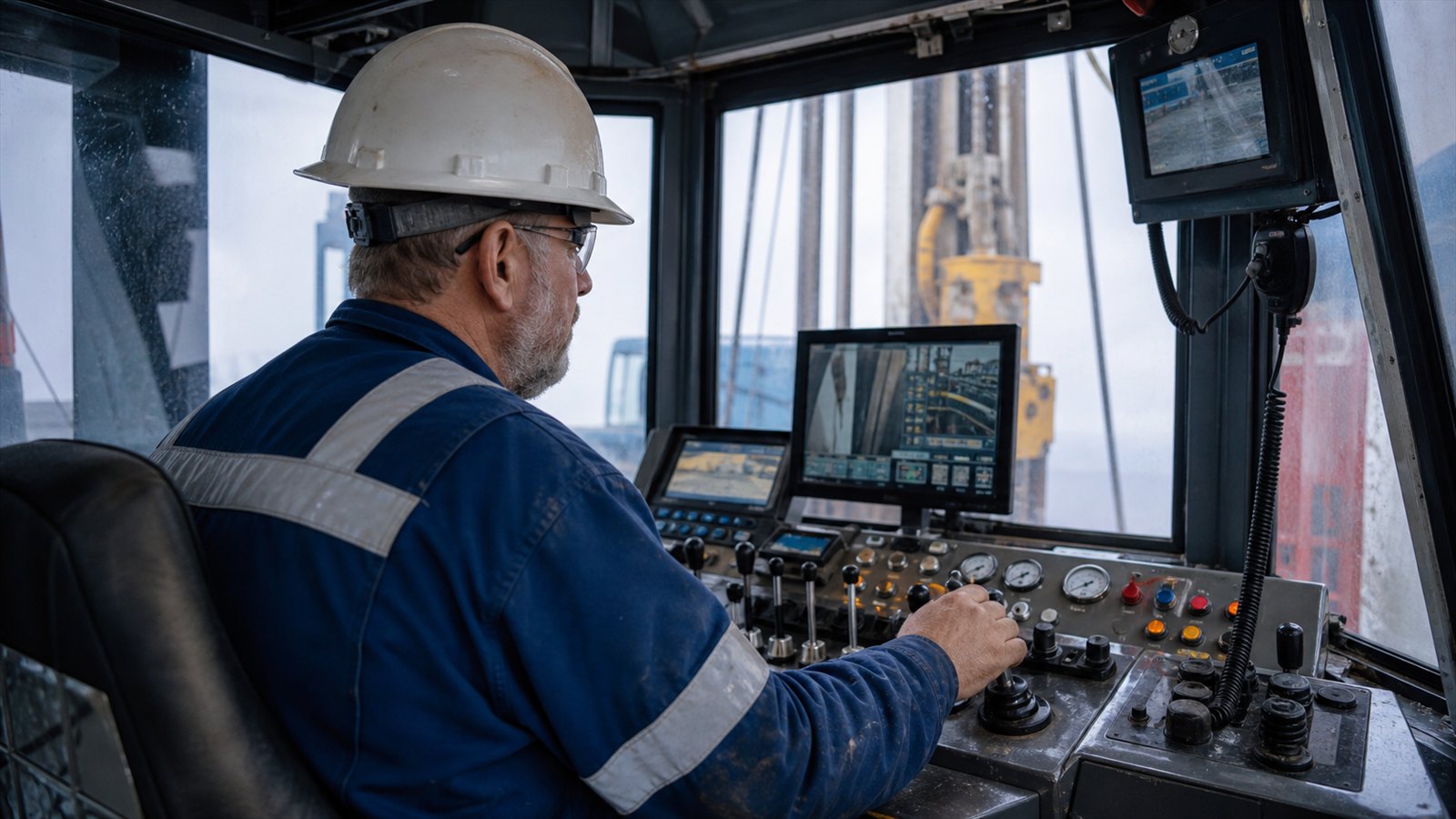
The operator remains in control. BiaTech provides decision support in plain language, with the supporting engineering context available for review. It does not claim to replace the driller, directional team, drilling engineer, or existing safety systems.
Trust is built when a system is relevant, timely, transparent, and tested against actual operations. That is why BiaTech begins with a focused workflow and a measurable operational objective. The goal is simple: help skilled drilling teams understand what is changing, why it matters, and what options they should evaluate next.