More industrial data does not guarantee clarity
Industrial operations have become extraordinarily good at generating data.
Sensors record pressure, temperature, flow, vibration, electrical load, position, chemistry, and equipment state. Control systems issue alarms. Historians preserve years of measurements. Inspection technologies produce images and dense condition records. Maintenance, quality, and production systems add another layer of operational information.
Yet the person making a decision may still ask a basic question: What is happening, why is it happening, and what should I evaluate next?
This is not primarily a data-volume problem. It is a decision-context problem.
Data becomes useful through context
Individual data points rarely explain an industrial condition by themselves. A pressure change may be expected under one operating state and significant under another. Vibration may reflect an equipment issue, a process change, or a temporary transition. An inspection indication takes on different meaning when it is connected to material, geometry, service environment, loading, and operating history.
The right data is therefore only the first requirement.
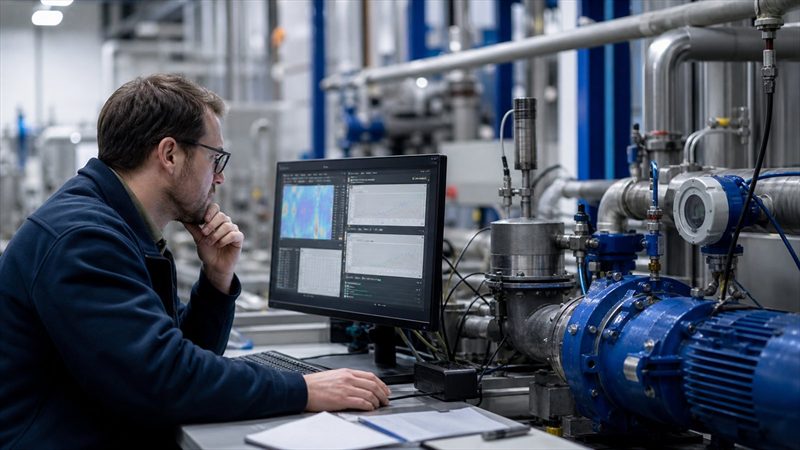
The second is the right context. Measurements must be time-aligned and connected to equipment state, process conditions, asset history, and the physical relationships governing the operation. Engineering physics and digital twins help establish what behavior is expected. Machine learning can help recognize patterns in complex data. Physics-informed machine learning can combine these strengths, supporting faster evaluation while preserving an engineering basis for interpretation.
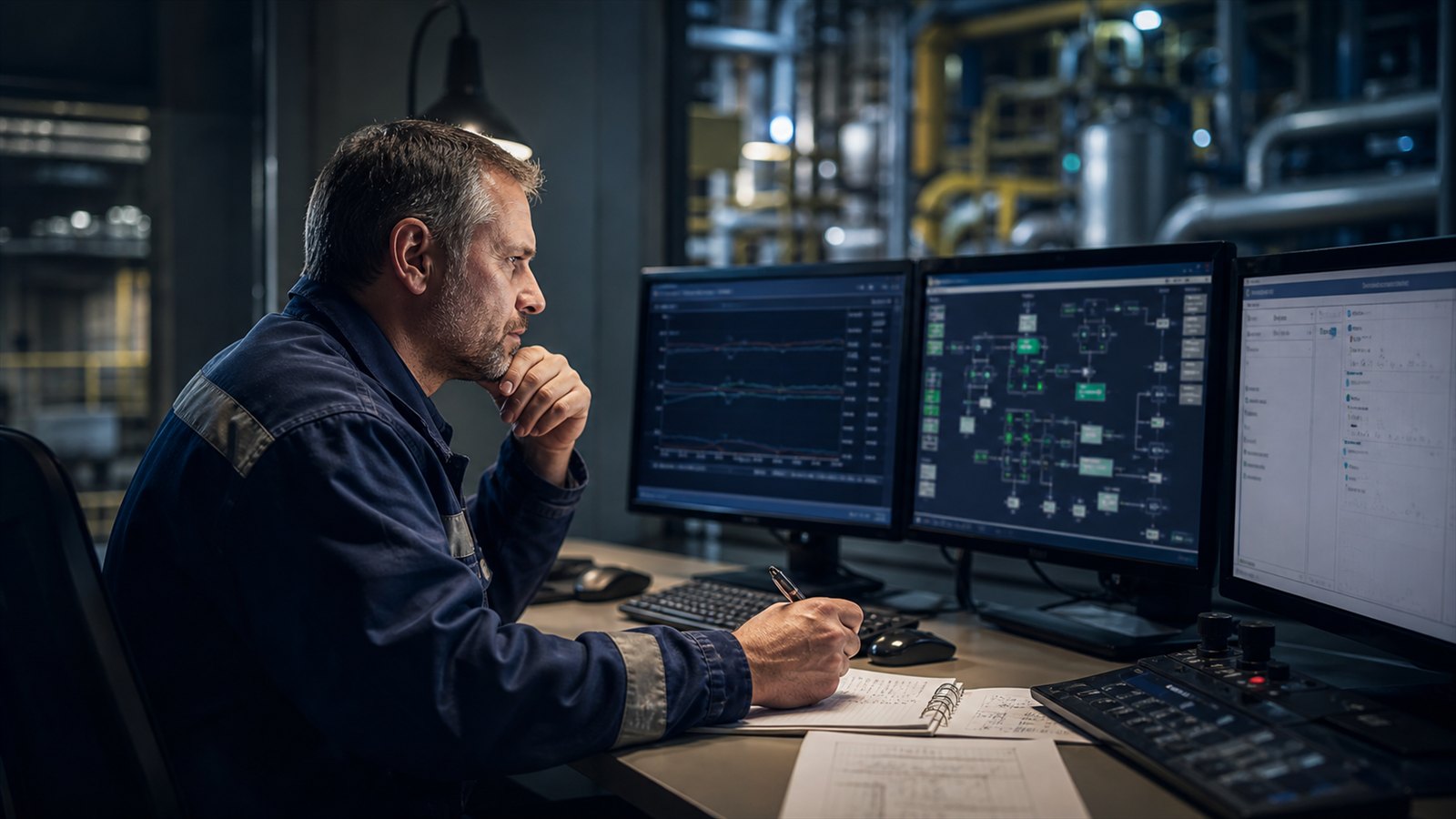
The third requirement is the right decision. Industrial teams do not need every possible analysis at every moment. A driller, inspector, reliability engineer, and plant supervisor have different responsibilities. The useful output is the information each person needs for the decision in front of them, expressed in language that fits the workflow.
Right data, right context, right decision
BiaTech builds BiaSense around this sequence: right data, right context, right decision.
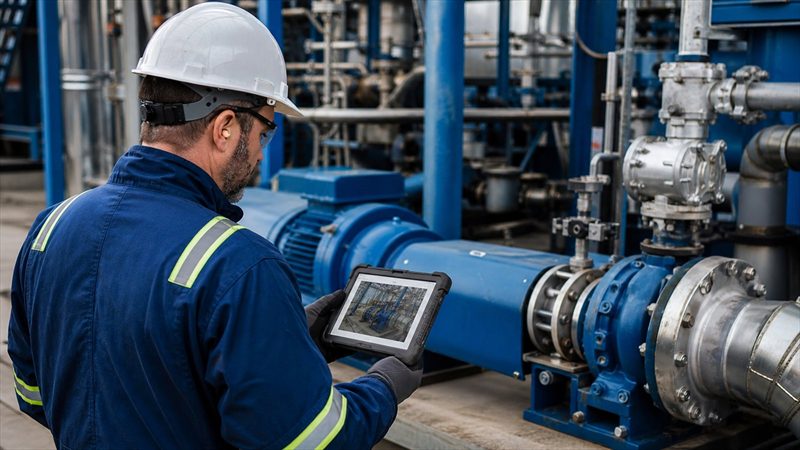
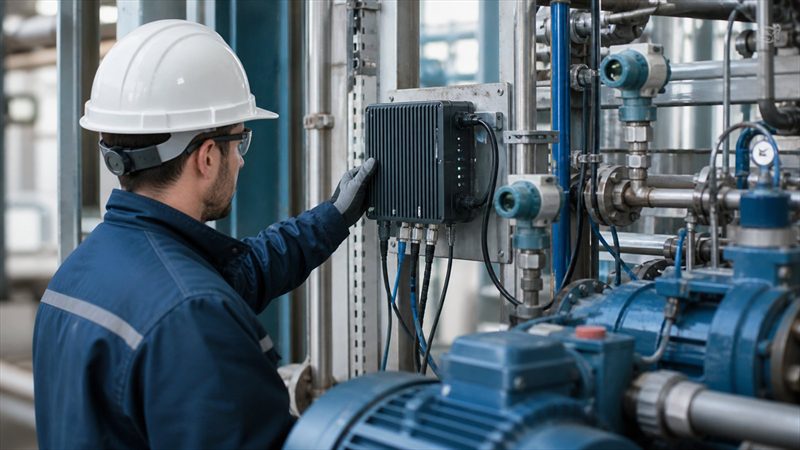
The platform connects relevant operational information from existing systems and evaluates it through engineering and AI models. Bia presents plain-English guidance close to the point of action. Edge computing can support time-sensitive analysis and local data requirements. If the customer already has appropriate sensors and computing infrastructure, BiaSense can use it. If additional local capacity is required, BiaEdge provides a standardized deployment option.
Keep people in control and measure usefulness
This does not mean allowing an AI system to take control of a consequential industrial process. BiaTech is designed to support skilled people. Users can review the evidence, understand the reasoning, and apply their operational judgment before acting.
The standard for success is not the number of data sources connected or visualizations created. It is whether the platform helps someone recognize an important condition, understand it sooner, evaluate an appropriate response, or avoid unnecessary effort.
Industrial companies already possess enormous amounts of information. The next step is making that information useful at the moment a human decision shapes the outcome.