A mirror is useful, but it is not enough
Many digital twins are excellent at representing an asset, displaying current values, or replaying historical conditions. Those capabilities provide visibility, but visibility alone still leaves the operator or engineer to determine what the information means.
For an industrial twin to become part of a daily operating workflow, it should help answer a more consequential set of questions: Is the asset behaving as expected? Why is performance changing? What condition may be developing? Which response should the team evaluate?
The opportunity is to move from a digital representation to an engineering advisor.
Observe, reason, and compare
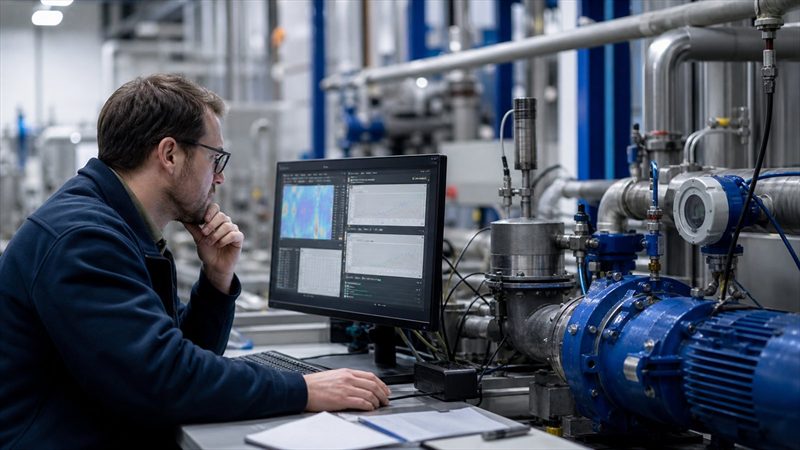
The BiaSense Platform combines available operating data with equipment configuration, engineering models, historical behavior, and defined constraints. Its digital twin can compare observed conditions with expected physical behavior and identify deviations that deserve attention.
The twin may evaluate how an operating change could affect equipment loading, fluid behavior, degradation, process performance, or another relevant outcome. Machine learning can help recognize relationships in the data, while physics provides structure and operating context.
This combination enables a more useful explanation than “the value is high.” It can help describe why the value matters in relation to the asset and the current operation.
Guidance must fit the worker’s decision
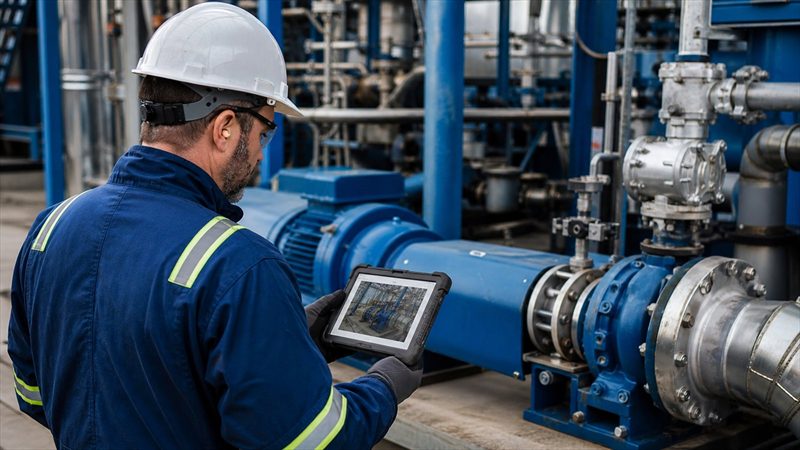
A twin becomes valuable when its output reaches the person who can act. An engineer may need model detail, assumptions, and trends. An operator may need a concise advisory, the signals supporting it, and the approved options available now. A supervisor may need a view across equipment or shifts.
BiaSense supports focused application views, while Ask Bia provides plain-English interaction. The underlying evidence remains tied to the operating context rather than becoming a generic chatbot response.
The system is advisory. Authorized people remain responsible for operating and engineering decisions.
One physical foundation, several applications
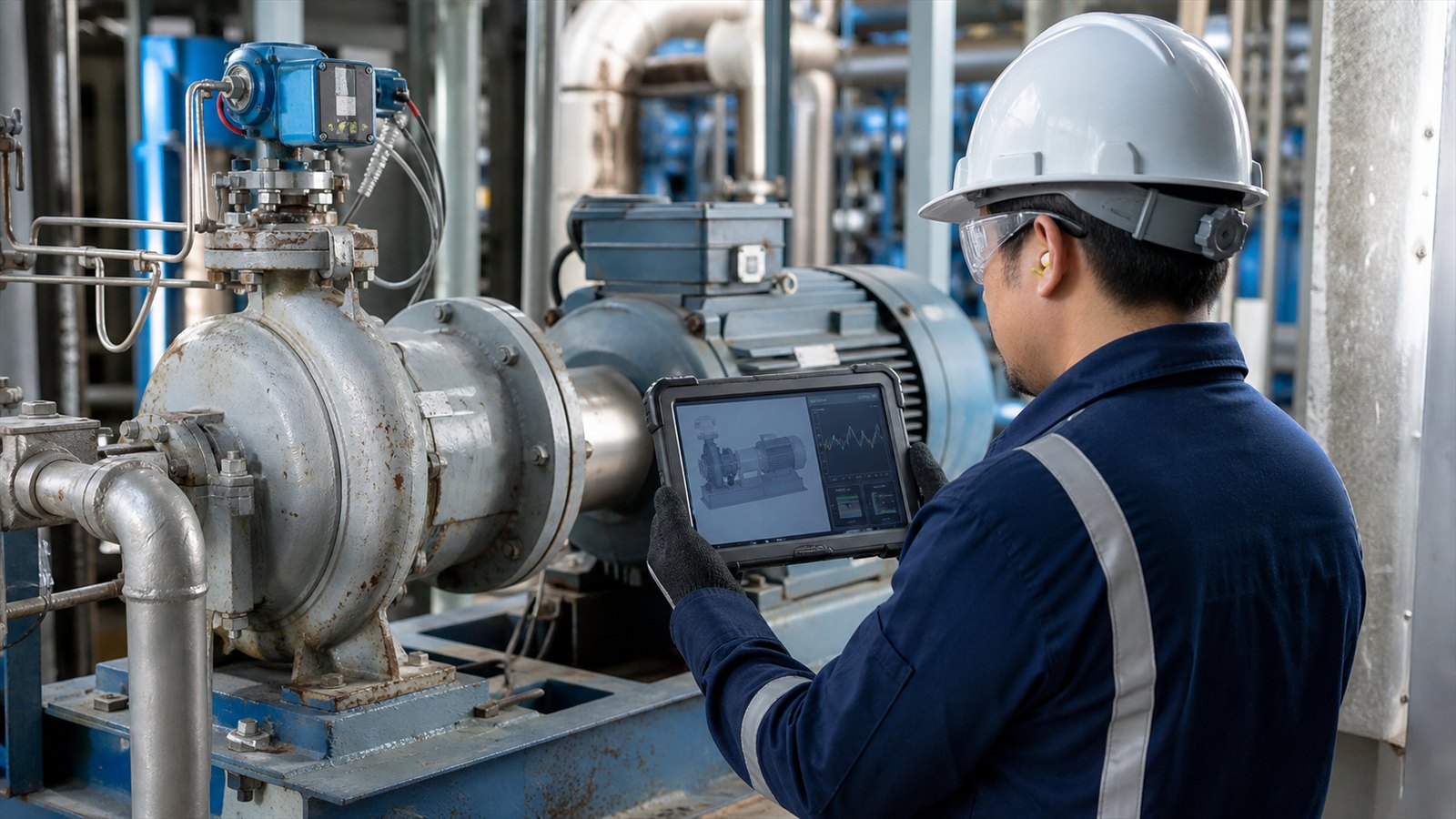
The same physical asset can appear in different industrial settings. A pump, pipe segment, motor, or tank is still governed by its materials, geometry, loading, fluid conditions, and operating history.
BiaSense applies this common foundation across focused applications:
- Smart Facilities can help teams understand production performance, operator productivity, and equipment reliability.
- Drilling Intelligence can evaluate drilling and equipment behavior.
- Asset Integrity can combine inspection and operating evidence to support condition decisions.
The workflows differ, but the digital twin’s job remains consistent: connect the physical asset with the decision that matters.
Keep the twin alive
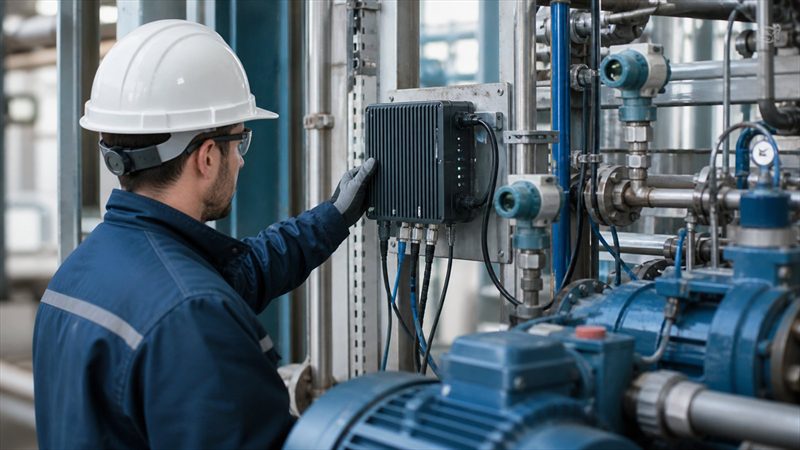
An industrial digital twin is not finished when its first model is deployed. Sensors change, assets are repaired, operating ranges shift, and new evidence becomes available. The twin needs configuration control, input-quality monitoring, validation, and a clear record of model versions and assumptions.
A focused pilot should therefore test more than the model. It should test the data path, user guidance, operational fit, and process for maintaining the twin over time.
The best digital twin is not the most visually elaborate. It is the one that helps a skilled person understand the operation and make a better-supported decision.